
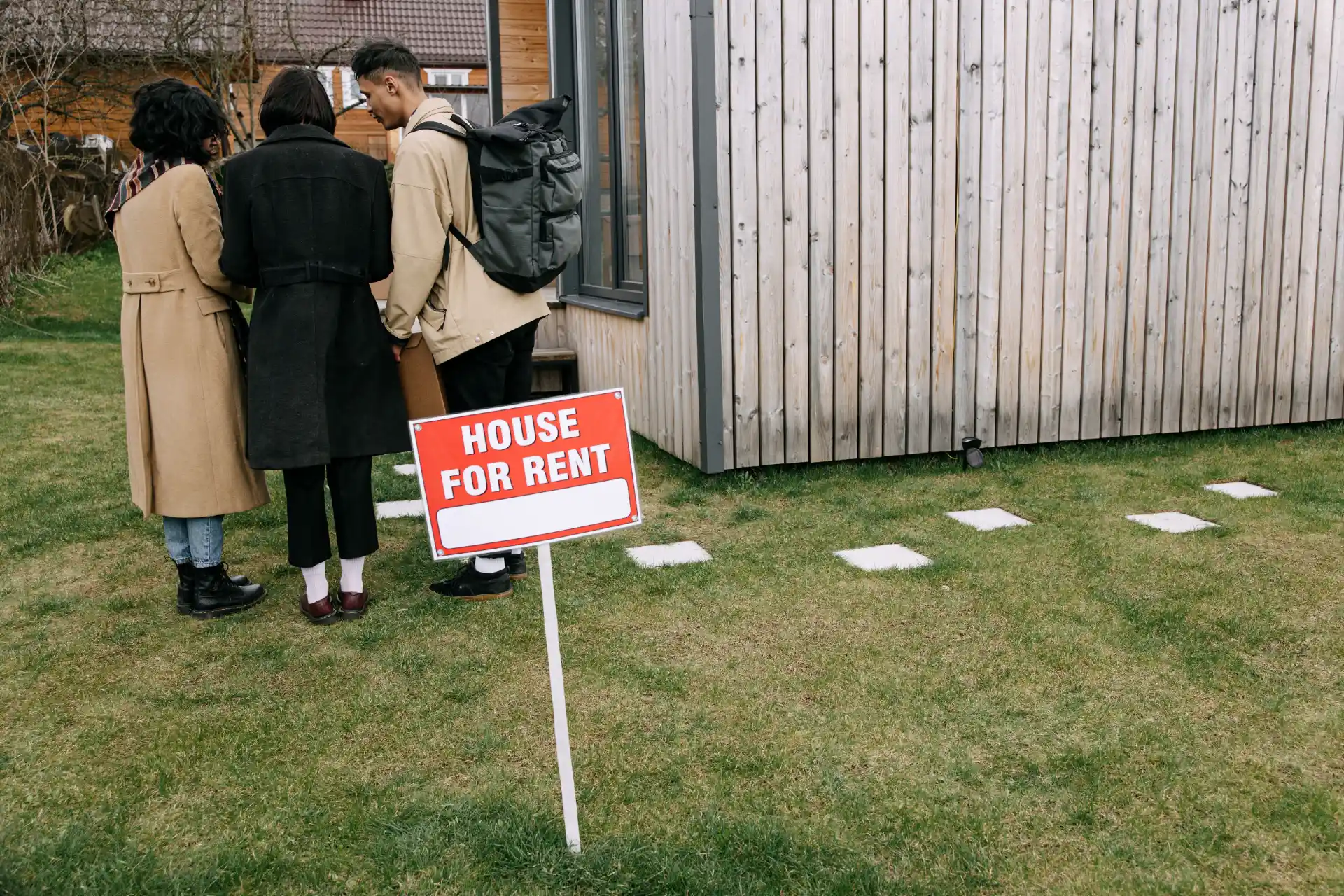
Finding the right rental home is an important decision that affects everyday comfort, convenience, and financial stability.
Whether you are moving for work, relocating with family, or searching for a different living environment, choosing a rental property requires careful consideration.
Northwest Indiana offers a variety of residential communities, including Merrillville, Gary, Hobart, and East Chicago.
Each area provides different housing options, neighborhood characteristics, and access to local amenities.
However, finding a suitable rental property involves much more than choosing a home with attractive photographs.
Renters should evaluate affordability, property condition, lease terms, location, and long-term suitability before making a commitment.
This guide explains how to approach the rental search process step by step.
Step 1: Identify Your Housing Needs
The first step in finding a rental home is understanding what you need from the property.
Start by considering the number of people who will live in the home and the amount of space required.
Think about bedrooms, bathrooms, storage, parking, outdoor areas, and other practical features.
For example, someone working remotely may want an additional room that can function as a home office.
A household with multiple vehicles may prioritize convenient parking.
Some renters may prefer a single-family home, while others may find a smaller residential unit more suitable.
Distinguish between essential requirements and features that would simply be nice to have.
Creating a clear list helps narrow your search and prevents wasting time on properties that do not meet your needs.
It also makes it easier to compare several rental options objectively.
Step 2: Set a Realistic Monthly Budget
Before scheduling property showings, determine how much rent you can comfortably afford.
Monthly rent is only one part of the total cost of living in a rental home.
Other expenses may include electricity, gas, water, internet, parking, renter’s insurance, and transportation.
Some rental properties include certain utilities, while others require tenants to pay separately.
Review your regular income and existing financial commitments before deciding on a rental budget.
Consider groceries, debt payments, transportation expenses, savings, and unexpected costs.
Avoid selecting a property that leaves little room for other essential expenses.
A realistic budget makes the rental search more manageable and helps you maintain financial stability after moving.
Step 3: Research Different Neighborhoods
The surrounding neighborhood can influence your daily routine just as much as the rental home’s interior.
When searching in Northwest Indiana, explore communities that align with your transportation, employment, lifestyle, and housing needs.
Merrillville, Gary, Hobart, and East Chicago each have different residential environments and housing characteristics.
Consider the location of your workplace, frequently visited destinations, grocery stores, healthcare services, public facilities, and transportation routes.
If you commute regularly, review possible travel routes and expected travel times.
Renters may also want to explore nearby parks, shopping centers, and recreational facilities.
Visiting a neighborhood at different times of day can provide additional insight into traffic patterns and everyday activity.
Choose a location based on reliable information and your personal priorities rather than assumptions.
Step 4: Search for Available Rental Properties
Once you have established your requirements and budget, begin searching for available homes.
Rental listings may be found through real estate professionals, property management companies, and established rental platforms.
Use search filters to narrow results by location, rental price, number of bedrooms, and property type.
Read property descriptions carefully.
Pay attention to monthly rent, lease duration, utility responsibilities, pet policies, parking arrangements, and application requirements.
Some rental advertisements may not include every important detail.
If information is missing, contact the listing representative and request clarification.
Avoid providing sensitive personal information or making payments before verifying the legitimacy of the listing and the party managing the property.
A careful search process can help you identify appropriate rental opportunities while reducing the risk of misunderstandings.
Step 5: Review Property Photographs and Descriptions
Photographs are useful for evaluating rental properties before arranging a visit.
Look closely at the kitchen, bathrooms, bedrooms, flooring, living spaces, windows, and exterior areas.
Consider whether the layout works for your furniture and daily activities.
A home may appear spacious in photographs but have a floor plan that does not meet your needs.
Property descriptions should also explain important features and restrictions.
For example, determine whether the home includes appliances, laundry facilities, central air conditioning, or designated parking.
Remember that photographs may not fully represent the current condition of a property.
Use online listings to create a shortlist, but arrange an appropriate viewing whenever possible before making a rental decision.
Step 6: Schedule a Property Tour
A property tour provides an opportunity to evaluate the home beyond its online presentation.
During the visit, examine the general condition of the property.
Look for signs of water damage, unusual odors, damaged flooring, poorly functioning windows, or visible maintenance concerns.
Test permitted fixtures and ask about any equipment that appears damaged or outdated.
Pay attention to storage space, room dimensions, natural lighting, and the location of electrical outlets.
If possible, consider how your furniture would fit into the available rooms.
Inspect the exterior areas, including walkways, parking spaces, entrances, and any shared facilities.
Take notes during the visit so you can compare properties later.
A thorough tour helps determine whether the rental home meets your expectations.
Step 7: Ask Important Questions Before Applying
Renters should gather complete information before submitting an application.
Ask about the total monthly rent and whether additional recurring fees apply.
Clarify which utilities are included and which are the tenant’s responsibility.
Find out whether the property has a minimum lease term and whether renewal options may be available.
If you have pets, ask about applicable pet policies, fees, and restrictions.
Discuss maintenance procedures and how tenants should report urgent repair issues.
You should also confirm the expected move-in date and whether any repairs or cleaning will be completed before occupancy.
Asking these questions early helps prevent misunderstandings and allows you to compare rental properties based on their complete costs and conditions.
Step 8: Understand the Rental Application Process
Once you find a suitable property, the next step is completing the rental application.
Property owners and managers commonly use an application process to evaluate prospective tenants under established rental criteria.
You may be asked to provide identification, income documentation, rental history, and other information relevant to the application.
Depending on the screening process and applicable law, a credit or background review may also be involved.
Provide accurate information and respond to reasonable documentation requests.
Before paying any application fee, confirm the amount, purpose, and applicable terms.
Applicants should understand that submitting an application does not automatically guarantee approval.
Rental decisions must comply with fair housing and other applicable laws.
Completing the process carefully and accurately can help avoid unnecessary delays.
Step 9: Review the Lease Agreement Carefully
A lease agreement establishes the conditions of your rental arrangement.
Before signing, read the entire document carefully.
Make sure you understand the monthly rent, payment due date, lease duration, security deposit requirements, and responsibilities for maintenance.
Pay attention to rules concerning pets, parking, guests, property alterations, and renewal procedures.
Review any provisions related to late payments, early termination, or move-out requirements.
If a clause is unclear, request an explanation before signing.
Do not rely only on verbal promises. Important agreements should be properly documented in writing.
A clear understanding of the lease helps both the tenant and property owner maintain realistic expectations throughout the rental period.
Step 10: Understand Security Deposits and Move-In Costs
Moving into a rental property may require several upfront payments.
Depending on the property and applicable requirements, these may include the first month’s rent, a security deposit, and other disclosed charges.
Before making a payment, confirm the amount and purpose of each charge.
Ask about accepted payment methods and request appropriate receipts or transaction records.
Security deposits are generally intended to address obligations specified by the lease and applicable law, rather than serve as automatic additional rent.
Indiana law establishes requirements regarding the handling and return of residential security deposits.
Renters should understand the relevant lease terms and legal protections.
Maintaining copies of payment confirmations and rental documents can help prevent future disputes.
Step 11: Document the Property’s Move-In Condition
Documenting a rental home’s condition before moving in is an important protective step.
Walk through the property and carefully examine walls, flooring, doors, windows, appliances, fixtures, and other visible features.
Record existing damage or maintenance concerns.
Photographs can help create a useful record of the property’s initial condition.
If the property manager provides a move-in checklist, complete it accurately and submit it according to the required procedure.
Report problems promptly and request appropriate documentation of repair plans.
This process creates a clearer reference for evaluating the property’s condition when the lease eventually ends.
It can also help distinguish preexisting issues from damage that occurs during occupancy.
Step 12: Prepare for Moving Day
Moving into a new rental home can be exciting, but it requires organization.
Start planning before your scheduled move-in date.
Arrange transportation, packing supplies, and any necessary moving assistance.
Confirm when you will receive the keys and whether the property has specific move-in procedures.
Contact utility providers when necessary to arrange service activation.
Update your mailing address with important organizations and service providers.
Prepare an inventory of valuable personal belongings and consider renter’s insurance for appropriate coverage.
Organizing these responsibilities early can make moving day significantly easier.
Once you arrive, verify that essential systems are functioning and report any unexpected concerns through the appropriate maintenance process.
Step 13: Maintain a Positive Relationship With Property Management
Good communication is valuable throughout a tenancy.
Renters should understand how to contact property management regarding maintenance concerns, lease questions, or emergencies.
Report problems promptly rather than allowing them to become more serious.
For instance, a small leak may cause additional damage if it remains unreported for an extended period.
Follow the agreed procedures for rent payments, maintenance requests, and property access.
Treat the rental home responsibly and respect applicable property rules.
Property managers should also communicate clearly and respond appropriately to legitimate concerns.
A respectful and professional relationship can make it easier to address issues throughout the lease.
Step 14: Take Care of Your Rental Home
Although tenants do not own the property, they are responsible for meeting the care obligations established by their lease and applicable law.
Regular cleaning and proper everyday use can help maintain the condition of the home.
Avoid actions that could damage plumbing, flooring, appliances, or electrical components.
Follow appropriate instructions for operating heating and cooling equipment.
Report maintenance problems that require professional attention.
During colder months, follow reasonable property guidance intended to reduce the risk of frozen pipes or weather-related damage.
Do not attempt major repairs or modifications without appropriate authorization.
Responsible property care benefits tenants by supporting a comfortable living environment and helping prevent avoidable disputes.
Step 15: Plan Ahead for Lease Renewal
As the end of your lease approaches, consider whether you want to remain in the property.
Review your housing needs, budget, employment situation, and long-term plans.
If you are satisfied with the home, ask about possible lease renewal options.
Property owners may review rental rates and lease terms before offering a renewal, subject to applicable laws and the existing agreement.
If you plan to move, review the lease to determine the required notice procedure.
Provide written notice when required and follow the appropriate move-out process.
Planning early gives you more time to make decisions and prepare for potential changes.
Step 16: Understand the Move-Out Process
A successful rental experience includes leaving the property in accordance with the lease.
Before moving out, review the requirements for cleaning, returning keys, removing personal belongings, and scheduling any necessary inspections.
Address tenant responsibilities and communicate unresolved maintenance issues.
Take photographs to document the condition of the property when you leave.
Provide a forwarding address where required for security deposit correspondence.
Keep copies of relevant communications, notices, and payment records.
Understanding the move-out procedure can help reduce disagreements and create a more organized conclusion to the tenancy.
Step 17: Work With a Professional Rental Team
Searching for a rental home can require significant time and effort.
Professional real estate and property management teams can help prospective renters navigate available listings and understand the leasing process.
A knowledgeable local team may provide information about property features, rental requirements, available homes, and application procedures.
Working with an established rental management provider can also create a clear point of contact for questions before and after move-in.
Before applying, confirm that the property meets your needs and that you understand all relevant rental terms.
A well-organized search, supported by accurate information, helps renters make more confident housing decisions.
Conclusion
Finding the right rental home involves careful budgeting, neighborhood research, property inspections, and a clear understanding of lease responsibilities.
From identifying your housing needs to planning for move-in day, each step helps create a smoother rental experience.
Renters in Merrillville, Gary, Hobart, East Chicago, and surrounding Northwest Indiana communities can benefit from taking the time to compare properties and understand their options.
A suitable rental home should offer an appropriate combination of comfort, affordability, condition, and convenience.
Residential Premier Real Estate helps individuals and families explore residential rental opportunities and navigate the leasing process throughout Northwest Indiana.
If you are searching for your next rental home, contact our team to learn more about available properties and take the next step toward finding a place that fits your needs.